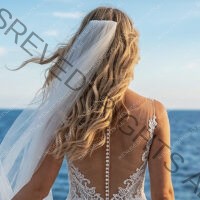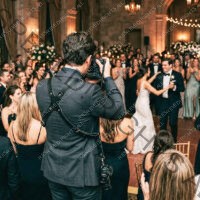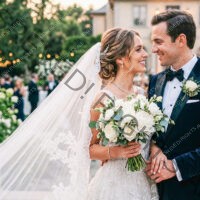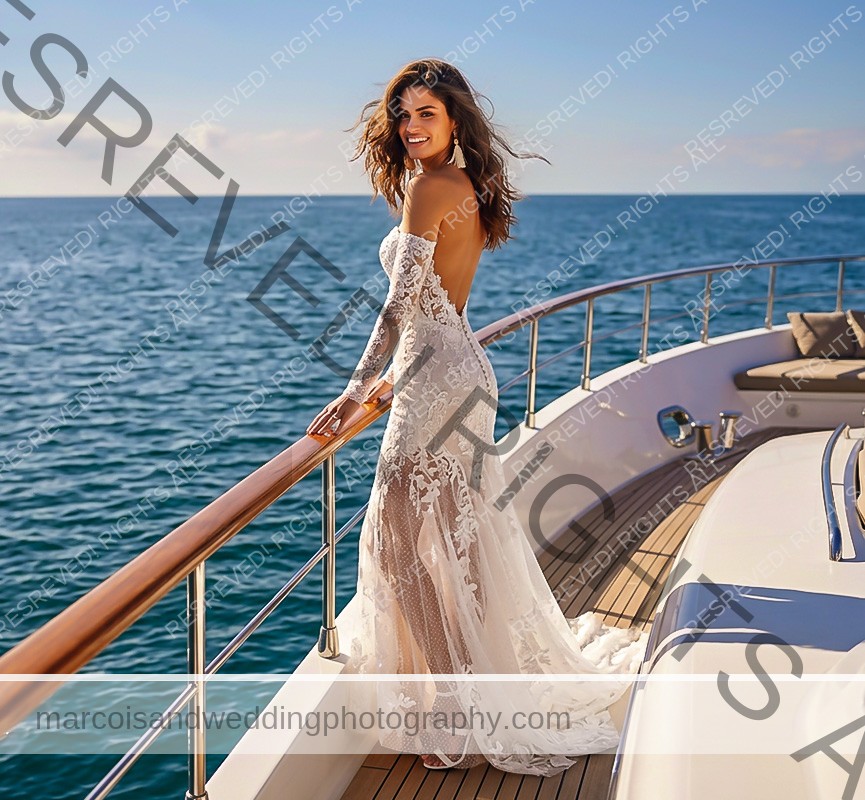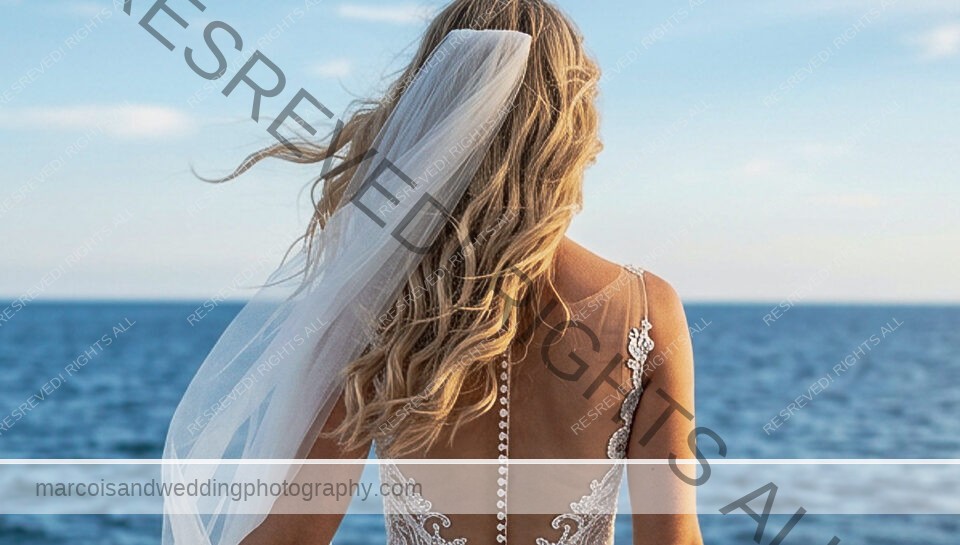
Some weddings are designed to be seen. Others are designed to be lived. This one began with a single, very clear request – quiet, direct, and without room for interpretation: Nothing goes online. No previews. No social media. No portfolio use – now or ever. Just a private record of the weekend, created for them and kept that way.
Before anything else moved forward, we signed a non-disclosure agreement. Not as a checkbox, but as part of the trust. From that moment on, the tone of everything shifted. This wasn’t about creating images for visibility – it was about documenting something deeply personal, without ever turning it outward.
Day One — Arrival
The first day didn’t feel like the start of a wedding. It felt like the beginning of a long weekend that people didn’t want to rush. Guests arrived throughout the afternoon – no formal schedule, no coordinated entrances. Just quiet arrivals, hugs that lasted a little longer than usual, and that subtle shift when people realize they’re stepping into something intimate.
The setting itself did most of the work. A private dock. Open water stretching out beyond it. And just offshore, the yacht – already anchored, waiting. It wasn’t positioned to be seen. It was positioned to disappear.
That evening was a welcome dinner, but even calling it that feels too structured. There were no speeches lined up, no rigid seating plan. A long table was set near the water, simple but intentional. Candles as the light dropped. Conversations overlapping, not taking turns. We moved through it quietly. No direction, no interruption. Just watching.
This is where privacy changes everything. When people know the images won’t live online, something loosens. There’s no second layer of awareness. No checking how a moment might look later. People stay in it. And that’s where the photographs start to feel different.
Day Two – The Wedding
The morning started early, but not because it had to. The light on the water was soft, almost muted, and everything moved at that same pace. There were no packed getting-ready rooms or tight timelines. The couple chose to stay close to the water, preparing in separate spaces that felt more like extensions of the environment than designated areas. It was quiet.
A dress hung near an open window, moving slightly with the breeze. A jacket laid out without urgency. Music playing somewhere in the background, low enough that conversations didn’t have to compete with it. We stayed close, but never intrusive. That balance matters more in settings like this. The goal isn’t to direct – it’s to notice.
Boarding the Yacht
Guests were brought out in small groups. No rush, no announcement. Just a natural flow of movement from land to water. The kind of transition that feels almost unmarked, except for the subtle shift in atmosphere once everyone is on board.
The yacht itself didn’t feel staged for a wedding. No heavy décor. No transformation. It remained what it was – clean, open, intentional. The kind of space that doesn’t need to be dressed up. By the time everyone had arrived, the shoreline felt distant, even though it wasn’t far. That separation mattered. It created a boundary. A sense that what was about to happen existed on its own, away from everything else.
The Ceremony
There was no traditional aisle. No fixed positions. Just a small group gathering naturally on the deck, forming a quiet circle around the couple. The water has a way of simplifying things. It removes distractions. There’s no background noise beyond the movement of the current, no interruptions, no sense of outside time.
Vows were spoken without microphones. Laughter carried easily. At one point, there was a pause – longer than expected, but no one rushed to fill it. Moments like that don’t happen when something is overly structured. They happen when people feel comfortable enough to let silence exist.
We barely moved during the ceremony. There was no need. Everything was already there.
After the Ceremony
The shift afterward was subtle. No formal transition. No announcement that it was time to celebrate. Someone opened champagne. Glasses were passed around casually. Conversations broke into smaller groups, then came back together again. Shoes came off.
At some point, music was turned up – not dramatically, just enough to change the energy. And with that, the atmosphere shifted, some started to dance, some relaxed further. The formality that had never fully existed disappeared completely. The yacht moved slightly with the water, and the entire day seemed to move with it.
There were no strict timelines to follow. No pressure to “get through” moments. Just time – stretching out, uninterrupted.
What Privacy Makes Possible
There’s something you start to notice when a wedding is truly private. People behave differently. Not in a dramatic way – but in small, almost unnoticeable shifts. They linger longer in conversations. They don’t check where the camera is. They don’t adjust themselves mid-moment. They just exist as they are. And because of that, the images feel different. Less performed.
Less aware.
More honest. That’s not something we can direct. It only happens when trust is fully in place.
After Everything
We delivered the images the same way the weekend was handled – quietly and directly. No public gallery. No previews sent out. No online presence. Just a carefully curated collection, shared privately. Every file, every moment, exactly where it was meant to be – and nowhere else.
There’s a version of this wedding that will never be seen publicly. No highlights. No features. No trace of it online. And yet, it exists in full. Not as content. Not as promotion. But as something complete, personal, and entirely their own.
Some weddings are remembered by everyone. Others are remembered exactly as they were meant to be – by the people who were there.